
Order a meal through a delivery app today and there’s a decent chance the “restaurant” you ordered from doesn’t have a dining room, a host stand, or even a sign out front. It might be one of several brands operating out of a single commercial kitchen built entirely for delivery. These are ghost kitchens, and they’ve quietly become one of the biggest shifts in how food businesses actually operate.
What a Ghost Kitchen Actually Is
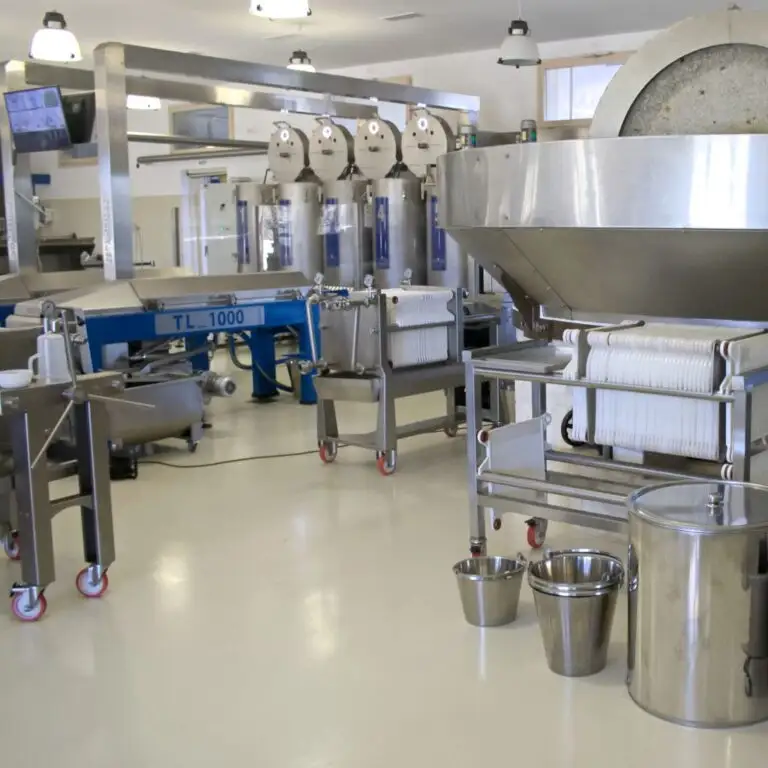
A ghost kitchen (also called a cloud kitchen or virtual kitchen) is a food preparation space built solely to fulfill delivery and takeout orders, with no dine-in seating at all. Some are run by a single brand; others host multiple virtual restaurant concepts out of the same physical kitchen, sharing staff, equipment, and rent while marketing each concept separately online.
Why Restaurants Are Making the Switch
- Lower overhead: no dining room means no front-of-house staff, no decor budget, and dramatically less square footage to lease.
- Faster expansion: a brand can test a new city by opening inside an existing ghost kitchen facility instead of signing a full restaurant lease.
- Built for delivery from day one: menus, packaging, and kitchen layout can all be optimized around what actually survives a 20-minute delivery ride, rather than retrofitting a dine-in menu for takeout.
- Multiple brands, one kitchen: a single kitchen can run two or three delivery-only concepts at once, spreading fixed costs across more revenue streams.

The Trade-Offs
It’s not all upside. Ghost kitchens depend heavily on delivery platforms, which take a meaningful commission on every order — often enough to squeeze margins that were already thin. There’s also no dine-in experience to build the kind of loyal, walk-in customer base traditional restaurants rely on, and virtual brands can be harder for customers to trust without a physical location to point to.
What This Means for the Industry
Ghost kitchens aren’t replacing traditional restaurants, but they’ve become a real parallel track — especially for delivery-first concepts, new brand testing, and food businesses trying to expand without the capital a full restaurant buildout requires. As delivery apps keep growing, expect the line between “a restaurant” and “a kitchen that makes food for an app” to keep blurring further.