Walk down any supermarket aisle today and you will see it. Kimchi sits beside the regular pickles. Kombucha takes up more fridge space than it used to. Yogurt labels shout about live cultures, and even sparkling water now promises gut benefits. Fermented food has moved from the health food store shelf into ordinary shopping trolleys, and plenty of people are asking the same question: is it worth the hype?
Short answer, often yes, as long as you are realistic. This guide explains what fermented foods are, which ones are worth trying, how to add them without upsetting your stomach, and where drinks like kombucha and mocktails fit in.
What Are Fermented Foods and Why Is Everyone Talking About Them?
Fermentation is an old process. Tiny microbes such as bacteria and yeast break down sugars in food, creating acids, gases and sometimes a little alcohol. That is how we get yogurt, cheese, bread, pickles, wine and beer. Many fermented foods are also tangier, more interesting and longer lasting.
How Fermentation Works in Plain English
When cabbage becomes sauerkraut or milk becomes yogurt, friendly microbes are doing the work. Some foods keep those microbes alive in the final product. Others are heated, filtered or pasteurised after fermenting, which can remove live cultures but leave the flavor.
Why the Trend Keeps Growing
People are paying more attention to digestion and overall wellbeing. In one 2025 survey, more than four in ten consumers said they ate fermented foods for digestion and wellness, about three times more than those who ate them just for bold flavor. Search interest tells the same story, with “fermented foods” and “gut health” each drawing roughly 135,000 searches a month in the US.
Fermented Foods for Gut Health: What the Evidence Says
Here is where it pays to be honest. Interest is far ahead of the science, but the early research is encouraging.
What We Know So Far
The gut is home to trillions of microbes, and diet is one of the biggest influences on them. A small Stanford study found that people who ate more fermented foods for several weeks showed greater microbial diversity and lower markers of inflammation. Other studies link fermented dairy, such as yogurt, with digestive and overall health benefits. It is promising, but it is not a magic fix, and more research is still needed.
What We Do Not Know Yet
We do not yet know exactly how much to eat, which foods work best for which person or how big the benefits are in the long run. Results vary from person to person. Treat fermented foods as one part of a healthy diet with plenty of fibre, vegetables, fruit and whole grains, not as a cure.
Easy Fermented Foods to Try
The best fermented food is one you enjoy enough to eat regularly. Here are some beginner friendly options.
Yogurt and Kefir
Plain yogurt with live cultures and kefir, a tangy fermented milk drink, are the easiest starting points. Choose plain versions and add your own fruit, since flavored ones can be high in sugar. Many people ask whether yogurt has probiotics. Many do, but check the label for the words live and active cultures.
Kimchi and Sauerkraut
These fermented vegetables add crunch and tang. For live cultures, pick refrigerated, unpasteurised versions. Shelf stable, canned or jarred pickles made with vinegar usually do not contain live microbes. They taste great either way, but they are a different thing.
Miso, Tempeh and More
Miso paste adds savory depth to soups and dressings. Tempeh, made from fermented soybeans, is a protein rich option for stir fries and sandwiches. Add miso at the end of cooking, since high heat can reduce live cultures.
A Quick Tip for Reading Labels
Look for phrases such as live and active cultures, unpasteurised or raw. If a product has been heat treated after fermenting, it may still taste good but may not offer live microbes.
How to Add Fermented Foods Without Upsetting Your Stomach
New foods can cause gas and bloating at first, especially if your usual diet is low in fibre. A gradual approach works best.
Start Small and Build Slowly
Begin with a spoonful or two a day, such as a bit of kimchi with lunch or a small glass of kefir. Give your body a week or so before increasing. If something does not agree with you, scale back.
Pair Them With Fibre
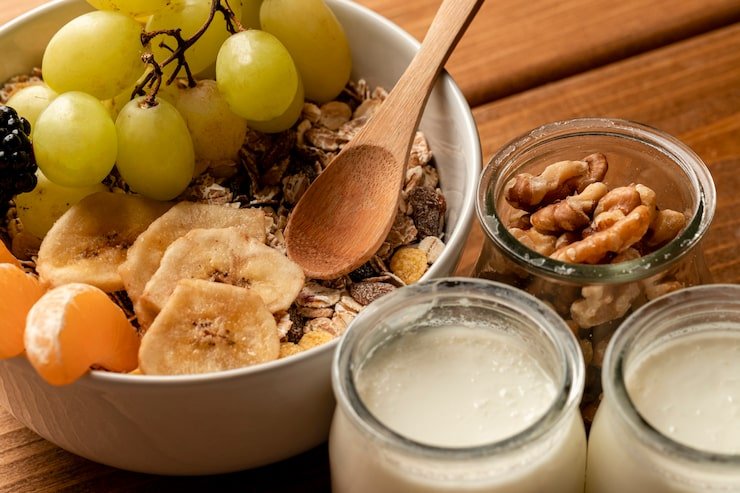
Fermented foods and fibre work well together. Add sauerkraut to a salad with beans, stir kimchi into brown rice or have yogurt with oats and fruit. Fibre feeds the microbes already living in your gut.
Watch Salt and Sugar
Kimchi, miso and sauerkraut can be high in salt, and some yogurts and kombucha can be high in sugar. Check labels and keep portions sensible, especially if you are watching blood pressure or blood sugar.
Fermented and Functional Drinks: What Is Worth Sipping?
Drinks are a big part of the fermentation story, and the line between fermented, functional and just plain fizzy gets blurry fast.
Kombucha and Water Kefir
Kombucha is a lightly fizzy fermented tea, and water kefir is a dairy free fermented drink. Both can be refreshing alternatives to soda. Keep in mind that they can contain sugar, small amounts of caffeine and trace alcohol from fermentation, so read the label.
What Are Functional Beverages?
The rise of functional beverages for daily energy is hard to miss. These are drinks that claim extra benefits, from probiotics and adaptogens to added vitamins and energy boosters. They are estimated to make up around a tenth of the US non-alcoholic drinks market.
A Realistic View
Be a little skeptical. Dietitians point out that the evidence behind many advertised benefits, such as better focus or improved energy, is weak. Some functional drinks are high in sugar or caffeine. If you enjoy them and they fit your budget, fine. Just do not rely on them to replace sleep, water, protein and good food.
Simple Ways to Choose
Check the sugar content, look at the ingredient list for things you recognize, watch the caffeine and be wary of big health claims. If a label sounds like a miracle, it probably is not.
Fermented Flavor Without Alcohol: Mocktails at Home
Fermented ingredients make great mocktail bases. Their tang and fizz give drinks depth that plain juice cannot, which is why so many bars now build dedicated alcohol free menus.
Easy Ideas
Mixing non-alcoholic mocktails at home is simpler than it looks. Top a glass of ice with ginger kombucha, a squeeze of lime and fresh mint. Blend water kefir with berries and a splash of sparkling water. Shake cooled green tea with cucumber, lemon juice and a little honey for a clean, crisp drink.
Keep It Balanced
Alcohol free does not mean sugar free. Use fresh citrus, herbs, spices and sparkling water to add flavor, and go easy on syrups. A good mocktail should taste interesting enough that nobody feels they are missing out.
Who Should Be Careful With Fermented Foods?
Fermented foods are safe for most people, but a few groups should take extra care.
People With Health Conditions
If you are pregnant, have a weakened immune system or have a serious medical condition, talk to your doctor before adding unpasteurised or homemade fermented products. Some people with histamine intolerance or digestive conditions may also react badly to certain fermented foods.
Homemade Fermentation Safety
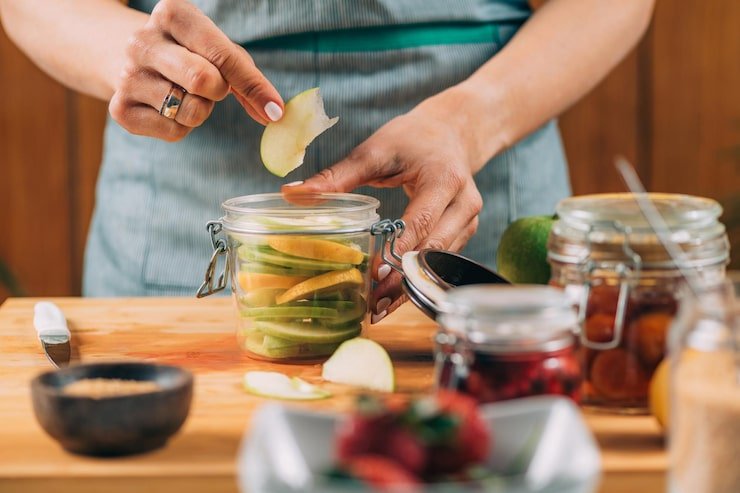
Home fermenting is fun, but it needs clean equipment and proper methods. Follow trusted recipes, use the right salt ratios and throw away anything that smells or looks off, such as fuzzy mold on the surface.
Common Mistakes to Avoid
The usual traps include eating too much too soon, assuming every pickle is probiotic, ignoring salt and sugar, treating fermented foods as a cure and forgetting fibre. Another is buying expensive products when a tub of plain yogurt or a jar of sauerkraut from the fridge does the job nicely.
A Simple One Week Starter Plan
On day one, have a small bowl of plain yogurt with fruit. On day two, add a spoonful of sauerkraut to a salad. On day three, try a small glass of kefir. On day four, stir a little miso into a soup. On day five, have kimchi with rice and vegetables. On day six, make a kombucha mocktail. On day seven, notice how you feel and pick the foods you enjoyed most. Keep those and drop the rest.
Final Thoughts
Fermented foods will not fix everything, but they are tasty, versatile and a nice way to add variety to your diet. Start small, choose products with live cultures when that matters to you, pair them with plenty of fibre and treat functional drinks as a bonus instead of a replacement for good habits. Gut health is built slowly, one ordinary meal at a time.
Frequently Asked Questions About Fermented Foods
1. Which fermented foods are best for gut health?
Plain yogurt with live cultures, kefir, kimchi, sauerkraut, miso and tempeh are popular choices. The best one is the one you enjoy and will eat regularly, in sensible portions.
2. How much fermented food should I eat each day?
There is no official amount. Many people start with a spoonful or a small glass daily and build up slowly, depending on how they feel.
3. Does all yogurt have probiotics?
Not always. Look for labels that say live and active cultures. Some yogurts are heat treated after fermentation, which can remove live microbes.
4. Are functional beverages worth buying?
Some people enjoy them, but evidence for many advertised benefits is limited, and some are high in sugar or caffeine. Check labels and treat them as an occasional extra.
5. Can I make fermented mocktails at home?
Yes. Kombucha, water kefir and fermented teas make tasty mocktail bases. Add fresh citrus, herbs and sparkling water, and keep added sugar low.